
Blogs
Can Sciatica Go Away Without Treatment?
Sciatica can make it difficult to sit, stand, or sleep. If you are experiencing a sharp pain that radiates from your lower back down your leg, you may be wondering: Can sciatica go away on its own?
This guide explains how long sciatica takes to heal, the signs it is getting better, what you can do at home, and when it is smart to see a chiropractor. Knowing the difference can save you weeks of pain and worry.
Can Sciatica Go Away on its Own?
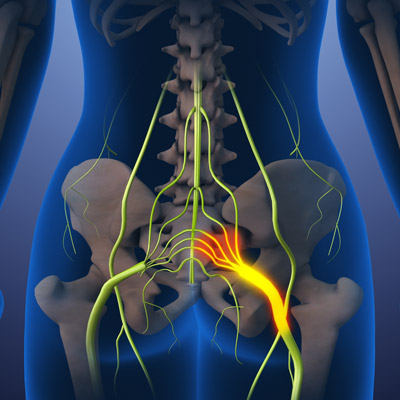
Yes, most cases of mild sciatica improve on their own with time and conservative care. Sciatica is not a disease. It is a symptom of an irritated sciatic nerve, usually caused by a herniated disc, tight muscles, or a bone spur. As inflammation settles and pressure on the nerve decreases, many people gradually feel better with rest, gentle movement, and healthy activity. Although the pain can be intense, the outlook for most people is good.
How Long Does Sciatica Take to Heal on its Own?
Mild sciatica often improves within a few days to a few weeks. Many people feel much better in four to six weeks. Some notice real relief in the first ten days.
Healing is not always a straight line. You may have good days and bad days as your nerves settle down. One morning you feel almost normal, and the next you feel sore again. That up and down pattern is common and does not mean something is wrong. If your pain lasts longer than six weeks, though, that is a sign your body may need extra help to heal.
Acute vs Chronic Sciatica: What is The Difference?
Not all sciatica is the same. The biggest clue about whether yours will heal on its own is how long it has lasted. Doctors split sciatica into two types: acute and chronic. Acute sciatica is short term and usually fades with time. Chronic sciatica sticks around for months and often needs hands on care to fully clear. The table below shows how they compare.

If your pain is new and mild, it likely falls into the acute group, and time may be all you need. If it has dragged on for months or keeps coming back, it may be chronic. That is your cue to get help rather than keep waiting. Most cases start out acute, so the key is to watch how yours changes over the first few weeks. Pain that steadily eases points toward a full recovery. Pain that stalls or keeps returning leans toward the chronic side.
5 Ways to Support Sciatica Recovery Naturally
You can support your body while it heals itself. Small steps at home often make a big difference in how fast you feel better.
- Keep moving gently. Too much bed rest can make sciatica worse. Short, slow walks help keep your back loose and boost blood flow to the nerve.
- Use ice and heat. Ice calms swelling in the first day or two. Heat relaxes tight muscles after that. Wrap either one in a towel before it touches your skin.
- Try easy stretches. Gentle stretches for your lower back, hips, and hamstrings ease pressure on the sciatic nerve. Move slowly and never force a stretch that hurts.
- Watch your posture. Sit and stand tall with your shoulders back. Avoid slouching at your desk for long hours, and get up to move every 30 minutes.
- Use over the counter pain relief if you need it. These can lower pain and swelling. Always follow the label and ask your pharmacist if you are unsure.
The goal is balance. Rest when you need to, but stay active enough to keep your spine healthy while the nerve heals.
When Should You See a Doctor for Sciatica?
Most sciatica heals with time, but some cases need a closer look. A few things raise the chance that your sciatica will stick around, such as:
- Sitting for long hours every day.
- Heavy lifting or a physically demanding job.
- Carrying extra body weight.
- A past back injury.
- A herniated disc pressing hard on the nerve.
You should not wait it out if you notice warning signs. Call a doctor right away if you have pain that gets worse or lasts more than six weeks, weakness or numbness in your leg that keeps growing, or sciatica in both legs at once. Loss of bladder or bowel control is a serious red flag. That last sign can point to a rare but urgent problem called cauda equina syndrome, which needs emergency care. When in doubt, it is always safe to get checked. Getting checked early does not mean you will need surgery. In most cases it simply gives you a faster, clearer path to relief and peace of mind that nothing serious is being missed.
How Chiropractic Helps Treat Sciatica
When sciatica keeps coming back or never fully clears, you do not have to live with it. Chiropractic care offers a nonsurgical, drug free way to ease sciatic nerve pain and deal with what is causing it.
Gentle, hands on adjustments help take pressure off the sciatic nerve and restore movement in your spine. When a disc presses on the nerve, spinal decompression therapy gently stretches the spine to create space. That extra room supports natural healing and can lower your pain. Because these methods target the root cause, many people find relief faster with care than by waiting alone.
Care can also lower the chance of future flare ups. A spine that moves well, with strong muscles around it, is far less likely to pinch the sciatic nerve again.
Your first visit starts with a simple exam. We ask about your symptoms, check how you move, and pinpoint the spot that is irritating the nerve. From there, we explain your options in plain language so you always know what to expect.
Sciatica Care at Abundant Life Clinic in New Castle
At Abundant Life Clinic of Chiropractic in New Castle, IN, we look for the root cause of your pain, not just the symptoms. Dr. Maudeline Newell, D.C., examines your spine to find what is pressing on your sciatic nerve, then builds a care plan made for your body. She earned her Doctorate of Chiropractic from Sherman College of Chiropractic, holds a license in Indiana, and has cared for families in New Castle and Henry County since 2019.
If your sciatica is not going away, or it keeps coming back, our team is here to help you feel better and move freely again. Our approach stays gentle, honest, and focused on getting you back to the things you love.
Frequently Asked Questions
How long does sciatica take to go away on its own?
Mild sciatica often improves within four to six weeks. Some people feel better within the first ten days as the swelling around the nerve goes down.
What happens if sciatica is left untreated?
Many mild cases still heal with time and self care. But severe or lasting sciatica can get worse and lead to ongoing nerve pain, so it is smart to get checked if it does not improve.
Can sciatica come back after it goes away?
Yes, sciatica can return, especially if the root cause is still there. Good posture, core exercises, and regular care help lower the risk of another flare up.
When should I see a chiropractor for sciatica?
See a chiropractor if your pain lasts longer than a few weeks, keeps returning, or affects your daily life. Early care can speed up healing and find the true cause of the pain.
Is walking good for sciatica?
Yes, gentle walking is one of the best things for sciatica. It keeps your back loose and helps the nerve heal, as long as you avoid pushing through sharp pain.
Are you looking for a great family chiropractor in New Castle?
Contact us for a FREE consultation: 765-388-2525
Abundant Life Clinic
of Chiropractic
1220 Church Street
New Castle, IN 47362
765-388-2525
Office Hours
Mon ∙ Tue ∙ Wed
8:30am – 1pm & 3pm – 6pm
Thu ∙ Fri ∙ Sat ∙ Sunday
Closed